Safe Motherhood Initiative: A Lifesaving Endeavor for Women and Families
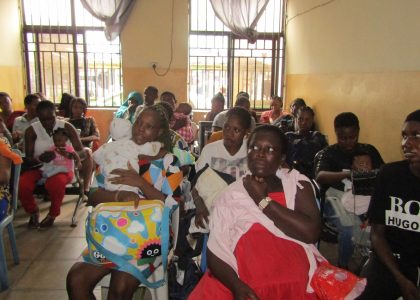
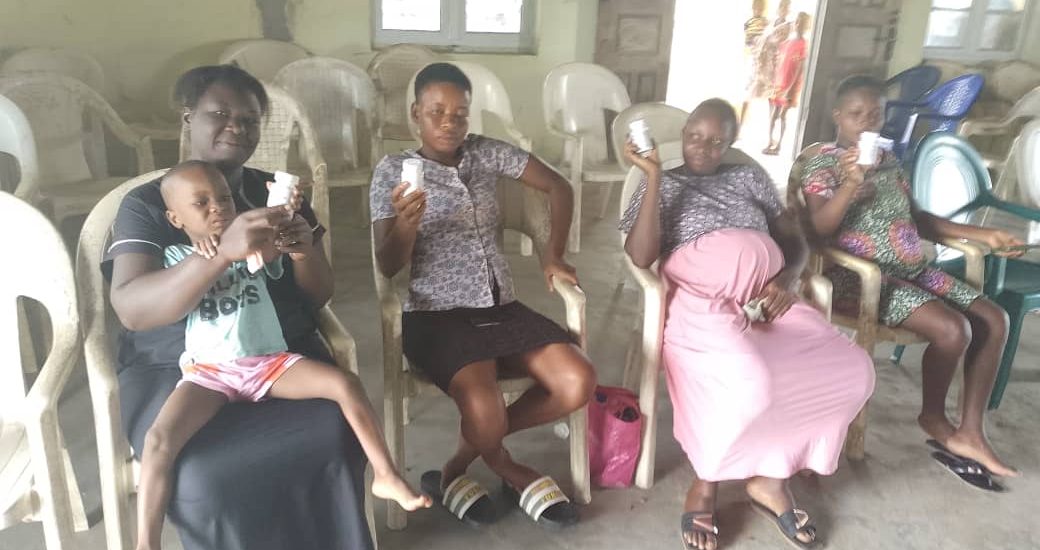
Every day, hundreds of women around the world face life-threatening challenges during pregnancy and childbirth. The Safe Motherhood Initiative (SMI) was launched to combat these preventable risks and ensure that women everywhere can experience safe, healthy pregnancies and deliveries. This blog post will explore the goals, impact, and importance of the Safe Motherhood Initiative, highlighting why its mission is essential to global health and wellbeing.
What Is the Safe Motherhood Initiative?
The Safe Motherhood Initiative is a global campaign introduced in 1987 during an international conference in Nairobi, Kenya. Its primary goal is to reduce maternal mortality and morbidity by improving healthcare access, quality, and outcomes for women during pregnancy, childbirth, and the postpartum period.
The initiative focuses on:
- Improving healthcare services for pregnant women, especially in low-resource settings.
- Empowering women through education and access to reproductive health resources.
- Promoting equitable policies that prioritize maternal and child health.
The Scope of the Problem
Despite advancements in medical technology, maternal mortality remains alarmingly high in many parts of the world. According to the World Health Organization (WHO), approximately 287,000 women died during or shortly after pregnancy and childbirth in 2020, most of which were preventable.
The key causes of maternal mortality include:
- Severe bleeding
- Infections
- High blood pressure during pregnancy (pre-eclampsia and eclampsia)
- Unsafe abortions
- Obstructed labor
Additionally, disparities in healthcare access mean that women in low-income countries face a significantly higher risk of maternal mortality than those in high-income nations.
Key Pillars of the Safe Motherhood Initiative
The Safe Motherhood Initiative emphasizes an integrated approach to maternal health, including:
1. Access to Quality Healthcare
Ensuring that every woman has access to skilled healthcare providers during pregnancy, childbirth, and postpartum is vital. This includes training midwives, improving medical facilities, and ensuring the availability of essential medications.
2. Family Planning and Reproductive Health Services
Educating women about contraception and family planning helps prevent unintended pregnancies and reduces maternal health risks. Access to safe abortion services where legal is another critical component.
3. Health Education and Community Empowerment
Informing communities about the importance of maternal health fosters supportive environments for women. Community programs can also raise awareness about warning signs of pregnancy complications.
4. Addressing Socioeconomic Barriers
The initiative calls for policies that tackle poverty, gender inequality, and cultural practices that hinder women’s access to healthcare. Financial support for healthcare and maternity leave is also essential for protecting maternal and child health.
Success Stories and Global Impact
Countries that have embraced the principles of the Safe Motherhood Initiative have seen remarkable improvements:
- Sri Lanka: By investing in midwifery and improving rural healthcare, maternal mortality rates have dropped dramatically.
- Bangladesh: Community-based healthcare programs have significantly increased the number of births attended by skilled health professionals.
- Rwanda: Government-backed maternal health programs, including free access to healthcare for expectant mothers, have led to a sharp decline in maternal deaths.
These examples highlight the power of sustained effort and collaboration in saving lives.
The Road Ahead
While the Safe Motherhood Initiative has achieved notable successes, much remains to be done. Climate change, conflict, and global health crises such as pandemics pose new challenges to maternal health.
To build a safer future for mothers, global efforts must focus on:
- Strengthening healthcare systems in vulnerable regions.
- Increasing funding for maternal health programs.
- Fostering partnerships between governments, NGOs, and the private sector.
Conclusion
Motherhood is a cornerstone of human society, and ensuring its safety is a moral and practical imperative. The Safe Motherhood Initiative reminds us that no woman should face death or disability while bringing life into the world. By working together, we can turn this vision into a global reality—one healthy mother at a time.
Every mother matters. Every life counts. Let’s support the Safe Motherhood Initiative and make a lasting difference for women and families worldwide.