Sickle Cell Disease (SCD) is genetic red blood cell disorder caused by the inheritance of the abnormal haemoglobin S (HBS) gene
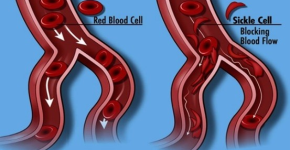
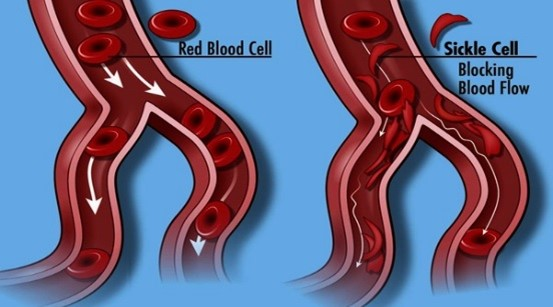
Normally, red blood cells are round and flexible in shape, allowing them to easily flow through blood vessels and deliver oxygen throughout the body.
In SCD, however, the haemoglobin—the protein responsible for carrying oxygen is abnormal. As a result, the, red blood cells become stiff, sticky, and take on a “sickle” crescent or C-shape. These sickle-shaped cells break down easily, leading to anaemia. Additionally, these abnormal red cells tend to clump together, blocking small blood vessels. This blockage can trigger episodes of severe pain and can lead to serious complications such as infections, strokes, and organ damage. (Kidneys Lungs Heart Brain Bones e.t.c.)
Types of Sickle Cell Disease

There are different forms of SCD, depending on the type of abnormal haemoglobin inherited:
• HbSS (Sickle Cell Anaemia): The most common and often the most severe type.
• HbSC: A milder type but can still cause complications.
• HbSβ-Thalassemia (Sickle Beta-Thalassemia): Can range from mild to severe.
• Other rare forms: Involving combinations with less common abnormal haemoglobins.
Note: If both parents carry the sickle cell trait (HbAS), there is a 25% chance with each pregnancy that the child will be born with Sickle Cell Anaemia
Sickle Cell is preventable, Know Your Genotype, Protect the next generation
Burden of Sickle Cell Disease Nigeria

• Nigeria has the highest burden of Sickle Cell Anaemia worldwide with
• about 25% of adult population carrying the abnormal HBS gene (the sickle cell trait (HbAS) 1.3%. living with the SCD
• Every year about 150,000 babies are born with sickle cell disease in Nigeria
• The estimated national under-five mortality for children with SCD nearly four times higher than in children without SCD.
• About 10% of children aged 6 months–5 years with severe anaemia are often children living with sickle cell anaemia (SCA)
• More than half of affected children may not survive early childhood, and up to 90% will not attain adulthood if poorly. managed during childhood.
• Newborn Screening for Sickle Cell Disease: A Life-Saving Start for Every Newborn
Newborn screening is a simple test that can identify Sickle Cell Disease at birth, even before symptoms start.
Why Early Screening Matters:
• Early diagnosis helps start life-saving care immediately
• Reduces the frequency of painful crises
• Prevents complications like infections, stroke, and organ damage
• Empowers families with genetic counselling and support
• Improves quality of life and life expectancy for children with SCD